Crop drone technology is really moving out of the experimental phase and into actual daily farm work. These days, farmers are using aerial platforms for all sorts of things—checking out crops from above, doing multispectral mapping, targeting specific areas for spraying, and collecting field data. But here’s the thing: small details like battery life, nozzle control, terrain following, software support, and local service can make the difference between a drone saving you time or just causing new headaches.
According to the Food and Agriculture Organization, we need to boost food production by about 50% by 2050 just to keep up with global demand. Meanwhile, reports from MarketsandMarkets suggest the agricultural drone market is set for pretty strong growth through 2028. That’s mainly driven by shortages of labor, the push for precision farming, and stricter resource management. But don’t get carried away—these are just numbers showing momentum, not guarantees. Whether farmers actually adopt this tech depends on things like farm size, what crops they grow, weather conditions, training, and local rules.
Professor Simon Blackmore, who’s a pretty big name in agricultural robotics, summed it up nicely: ‘The future of agriculture is robotic.’ It’s a good point, but not the whole story. A crop drone alone can’t replace good old-fashioned judgment, regular maintenance, or careful spotting of issues in the field.
In this guide, we’ll take a look at China’s top 10 crop drone manufacturers—think DJI Agriculture, XAG, JTI, EAVision, and a few others. We’re comparing them based on flight capabilities, payload designs, how autonomous they are, data management systems, manufacturing experience, export support, and after-sales service. Some companies might seem pretty impressive on paper, but in the real world, results can be totally different. That’s a gap worth paying attention to. When you’re making a buying decision, it’s smart to check out demo videos, read independent reviews, see if spare parts are available, and understand what kind of operator training they offer. Also, remember that fancy specs aren’t everything—actual farms are bumpy, wet, dusty, and often less cooperative than glossy brochures make them seem.

China’s Top 10 Crop-Drone Manufacturers: Ranking Scope and Buyer Criteria
This ranking examines China’s top 10 crop-drone manufacturers for global commercial buyers. The scope covers agricultural drones designed for field mapping, crop monitoring, and controlled spraying. It considers established producers with documented production experience and export support. Prototype-only projects and unverified marketplace listings are excluded. That boundary matters.
The ranking uses practical buyer criteria, not sales claims alone. Key factors include payload capacity, flight stability, route-planning accuracy, battery endurance, charging systems, and maintenance access. Spray consistency matters greatly. A drone may advertise a large tank, yet uneven droplet distribution can reduce field performance.
Evidence from field trials, technical documents, and customer support records receives greater weight. Regulatory documentation and operator training materials are also reviewed for each export market.
Buyers should compare total ownership costs, including batteries, spare parts, software updates, and technician response times. Data handling deserves attention when flight maps or farm records are stored online. Supplier communication is another useful test. Ask for sample manuals, warranty terms, and realistic delivery schedules before ordering. In my assessment, published specifications are valuable but incomplete. Real farms contain wind, mud, uneven rows, and changing crop heights. A model that performs well in a demonstration may need adjustments in daily work. Rankings can guide a shortlist, but independent field testing remains necessary before large-scale purchasing.
Market Scale: China’s 2023 Agricultural-Drone Fleet and Operational Coverage
China’s agricultural-drone fleet expanded rapidly in 2023. Public industry data indicated more than 200,000 agricultural drones were in service nationwide. These aircraft supported spraying, spreading, crop scouting, and emergency pest control. Operational coverage reached hundreds of millions of mu, reflecting strong adoption across rice, wheat, corn, cotton, and fruit-growing regions.
The scale is impressive, but fleet size does not equal performance. Regional weather, pilot training, battery access, and field fragmentation can change daily results. In field operations, a drone may cover several dozen mu per hour under suitable conditions. Wind, narrow terraces, or dense tree canopies reduce that figure.
Buyers should examine service records, payload stability, route planning, and local maintenance capacity. Official statistics also vary by registration method, so comparisons require caution.
Tips:
Ask for 2023 deployment data, not only sales numbers. Check completed hectares, average flight hours, and operator qualifications. Request a demonstration on crops similar to yours. Do not ignore battery transport, spare parts, software support, or seasonal repair demand. A lower purchase price can become expensive during peak spraying periods. China’s coverage is broad, yet operational quality remains uneven. That gap deserves honest attention.
Manufacturer Profiles: 10–50 L Payloads, 2–8 m Spray Widths, and Flight Time
China’s crop drone manufacturers now offer platforms with 10–50 L payloads, serving small plots and larger commercial fields. A 10 L tank suits frequent, lighter applications and reduces landing weight. Models near 50 L can cover more ground, but they demand stronger batteries and careful takeoff planning. Bigger is not always better.
Spray widths commonly range from 2 to 8 meters. Narrow settings help around trees, power lines, and uneven field edges. Wider settings improve productivity in open farmland, yet wind can create uneven coverage. Flight time depends on payload, battery age, terrain, temperature, and spray rate. In practical testing, a full tank may reduce endurance noticeably. Published figures should be checked under working conditions, not only in ideal demonstrations. I would request test data showing payload, wind speed, and refill intervals.
Tips: Compare effective hectares per hour, not tank size alone. Ask for nozzle types, flow-rate controls, battery charging time, and obstacle-sensing performance. Inspect the controller interface and confirm whether flight logs are easy to export. A useful supplier should explain calibration, maintenance, training, and local service support clearly. Keep spare seals and filters available. Small parts can stop a busy workday. Also, test spray overlap with water-sensitive cards before field use. This simple step can reveal drift or poor distribution early.
China Top 10 Crop Drone Manufacturers for Global Buyers - Manufacturer Profiles: 10–50 L Payloads, 2–8 m Spray Widths, and Flight Time
Anonymized comparison of representative Chinese agricultural drone manufacturer profiles and commonly published operating specifications.
| Profile |
Primary Product Category |
Liquid Payload |
Typical Spray Width |
Typical Flight Time |
Maximum Take-Off Weight |
Typical Liquid Flow Rate |
Common Applications |
| Manufacturer 01 |
Heavy-duty agricultural multirotor |
40 L |
4–8 m |
8–15 min |
68–75 kg |
10–16 L/min |
Large-field crop protection and granular spreading |
| Manufacturer 02 |
Commercial spraying and spreading drone |
30–40 L |
4–7 m |
10–18 min |
52–65 kg |
8–14 L/min |
Rice, wheat, corn, cotton and orchard operations |
| Manufacturer 03 |
Medium-capacity orchard and field drone |
20–30 L |
3–6 m |
12–20 min |
38–50 kg |
6–12 L/min |
Orchards, vineyards, vegetables and field crops |
| Manufacturer 04 |
Modular spraying and spreading platform |
25–30 L |
3–6 m |
12–19 min |
42–52 kg |
6–10 L/min |
Crop spraying, fertilizer spreading and seed broadcasting |
| Manufacturer 05 |
Compact professional crop-spraying drone |
16–20 L |
2.5–5 m |
14–24 min |
28–36 kg |
4–8 L/min |
Small and medium farms, orchards and greenhouse surroundings |
| Manufacturer 06 |
Lightweight precision agriculture drone |
10–16 L |
2–4 m |
16–28 min |
20–30 kg |
3–6 L/min |
Vegetables, tea plantations, orchards and spot treatment |
| Manufacturer 07 |
High-efficiency field spraying platform |
20–40 L |
3–7 m |
9–17 min |
40–65 kg |
7–15 L/min |
Rice paddies, broad-acre crops and pest-control services |
| Manufacturer 08 |
Multi-purpose agricultural drone |
15–25 L |
2.5–5 m |
13–22 min |
30–42 kg |
5–9 L/min |
Spraying, spreading, mapping support and crop monitoring |
| Manufacturer 09 |
Orchard-focused spraying drone |
10–20 L |
2–4 m |
15–26 min |
22–35 kg |
3–7 L/min |
Fruit trees, vineyards, tea and specialty crops |
| Manufacturer 10 |
Export-oriented agricultural drone platform |
30–50 L |
4–8 m |
8–16 min |
55–82 kg |
9–18 L/min |
Large-scale spraying, fertilizer application and contract farming |
|
Specification ranges are representative published operating values for comparable Chinese agricultural drone platforms. Actual flight time, spray width, flow rate and payload performance vary with battery condition, liquid density, terrain, wind, altitude, nozzle selection and operating mode. Buyers should verify the latest technical datasheets, local aviation requirements and pesticide-use regulations before purchase.
|
Precision Technology: RTK Navigation, Terrain Following, and Variable-Rate Control
For global buyers comparing China’s top 10 crop drone manufacturers, precision hardware deserves closer attention than payload size. RTK navigation can hold flight paths within centimeters when correction signals remain stable. In a field trial, that accuracy helps a drone follow parallel passes beside a wet field edge. Operators should verify correction-source compatibility, signal recovery, and recorded flight logs. Small errors matter.
Terrain-following sensors use radar, lidar, or mapped elevation data to maintain a safer spraying height. Over ridges, the drone should adjust smoothly, not rise sharply and create uneven coverage. Buyers should request test data from orchards, terraces, and fields with changing crop height. A clean demonstration on flat ground proves little. Battery weight, wind, and dense leaves can also affect sensor performance.
Variable-rate control links prescription maps or sensor readings with pump output and flight speed. It can reduce overlap in dense zones while increasing application where crop stress is verified. Reliable systems should show nozzle response time, flow calibration, and application records in exportable formats. Yet maps are never perfect. Cloud cover, weak scouting data, or a blocked nozzle can mislead decisions. I would compare independent field records, maintenance access, operator training, and local support before choosing a supplier. That review is less impressive than a showroom flight, but more useful.
RTK navigation can reduce horizontal positioning error to the centimeter level, compared with meter-level accuracy from standard GNSS and SBAS-assisted positioning. This precision supports repeatable flight paths, terrain-following operations, and more accurate variable-rate application. Actual results vary with correction-service availability, satellite visibility, and field conditions.
Performance Metrics: Hectares per Hour, Application Rates, and Battery Cycles
China’s crop-drone manufacturers increasingly compete on measurable field performance, not brochure claims. For global buyers, hectares per hour should include refilling, battery swaps, turning, and terrain delays. Industry testing reviews published by MarketsandMarkets in 2024 commonly place practical spraying output near 1.5–3 hectares per hour. Theoretical figures can exceed 4 hectares hourly, but only under ideal conditions. Real farms are messier.
Application rate matters just as much. A 20–30-litre tank may cover roughly 1–2 hectares at 10–20 litres per hectare. Lower-volume spraying saves water, yet wind, canopy density, and droplet size can reduce coverage. FAO’s digital agriculture research stresses that calibration and local operating skills determine technology value. I would request independent deposition tests, not only tank capacity.
Battery life also needs a field-based definition. Lithium battery suppliers often report approximately 500–1,000 cycles under controlled conditions. Heat, deep discharge, and rapid charging can shorten that range. A 2024 agricultural robotics market review notes that uptime depends heavily on charging logistics. One spare pack may be insufficient. Count usable cycles, charging time, and replacement cost together. My own concern is simple: published hectare figures rarely show failed passes or weather stoppages. That gap deserves scrutiny.
Global Compliance: CAAC Rules, CE Certification, IP Ratings, and UN38.3 Testing
For global buyers, crop-drone selection begins with compliance, not flight distance or camera resolution.
In China, buyers should verify CAAC requirements for aircraft registration, operator qualifications, remote identification, and agricultural flight operations.
Rules can vary by operating area and mission.
Check current notices before shipment.
For European markets, CE marking shows that the manufacturer has assessed conformity with applicable safety, electromagnetic, radio, and environmental requirements.
It is not a universal quality award.
Request the Declaration of Conformity, test reports, and technical documentation.
A serious supplier should explain which standards apply to the aircraft, charger, controller, and battery.
Vague paperwork is a warning sign.
Inspect the IP rating closely.
IP54 may resist limited dust and splashing, but it does not prove protection against concentrated pesticide spray or prolonged washing.
Ask for maintenance instructions and sealing details.
Battery logistics require equal attention.
UN38.3 testing supports the safe transport of lithium batteries, while packaging, labeling, and carrier rules still matter.
During procurement, I would match every battery model to its test summary and shipping documents.
Small mismatches happen, especially after a battery revision.
They should not be ignored.
Keep copies of certificates, manuals, and service records. A compliance file may feel excessive, but it becomes valuable during customs checks, insurance reviews, or an incident investigation.
Procurement Comparison: Total Cost, Warranty, Spare Parts, Training, and Service Coverage
For global buyers comparing ten crop-drone manufacturers, purchase price is only the opening figure. MarketsandMarkets valued the agricultural-drone market at about USD 1.3 billion in 2023. It projects roughly USD 3.6 billion by 2028. That growth increases the importance of reliable support, not just aircraft specifications.
Request a five-year total-cost model from every supplier. Include batteries, chargers, pumps, nozzles, software, shipping, customs, operator training, and seasonal maintenance. A low-priced drone can become expensive when one damaged battery requires overseas delivery. Check warranty duration, coverage exclusions, repair locations, and average claim response times. Get these details in writing. Verbal promises are weak evidence.
Spare-parts availability deserves a separate score. Ask whether common parts are stocked regionally, and request current replacement prices. Training should include flight control, calibration, safe chemical handling, maintenance, and local operating procedures. The FAO reports that agriculture accounts for about 70% of global freshwater withdrawals, making precise application and operator discipline increasingly important. Service coverage should be tested through references from farms with similar climates and acreage. One uncomfortable issue remains: published range figures often reflect ideal conditions. Wind, terrain, payload, and battery age can reduce field output. Buyers should conduct a paid pilot before committing. Two suppliers may quote identical capacity, yet their downtime costs can differ sharply. That difference is easy to miss.
High-Efficiency Carbon Fiber AL4-50 Agriculture Sprayer Drone for Smarter Farmland Crop Protection
The high-efficiency carbon-fiber AL4-50 agriculture sprayer drone is designed for smarter farmland crop protection, combining a lightweight airframe with precise aerial application. Its carbon-fiber construction supports durability and efficient flight performance, while the drone’s flexible operating pattern helps reach wet, uneven, or difficult-to-access fields without compacting soil. By delivering crop-protection treatments from above, it can support more targeted coverage and reduce unnecessary passes across large-scale farmland.
The need for efficient agricultural technology is increasing. The Food and Agriculture Organization (FAO) projects that global food production will need to rise by approximately 50% by 2050 to meet population and dietary demand. At the same time, the International Labour Organization reports that agriculture remains one of the world’s most hazardous sectors, making remote field operations increasingly valuable for reducing worker exposure to demanding conditions. With planned flight paths, adjustable application settings, and data-guided crop monitoring, the AL4-50 can help growers improve operational consistency, respond quickly to localized crop needs, and manage labor more effectively. Its aerial approach is particularly suitable for large fields, high-value crops, and time-sensitive pest or disease-control programs.
FAQS
Available payloads usually range from 10 to 50 liters. A 10-liter tank suits smaller plots and frequent applications. Larger tanks cover more ground, but require stronger batteries and careful takeoff planning. Bigger is not always better.
Spray widths commonly range from 2 to 8 meters. Narrow settings work better near trees, power lines, and uneven edges. Wider settings improve productivity in open fields. Wind may still cause uneven coverage.
Flight time depends on payload, battery age, terrain, temperature, and spray rate. A full tank can reduce endurance noticeably. Published figures may reflect ideal demonstrations. Request tests showing wind speed, payload, and refill intervals.
Compare effective hectares per hour, not tank capacity alone. Check nozzle types, flow controls, charging time, and obstacle sensing. A large tank means little if refilling or downtime is frequent.
Use water-sensitive cards during a controlled test. They can reveal drift, poor overlap, or uneven distribution. Test near field edges and under realistic wind conditions. Simple checks matter.
RTK can maintain flight paths within centimeters when correction signals remain stable. Buyers should verify correction compatibility and signal recovery. Exportable flight logs are useful. Small errors can still affect repeated passes.
Test them over ridges, terraces, orchards, and changing crop heights. The drone should adjust smoothly while maintaining a suitable spraying height. Flat-ground demonstrations prove little. Dense leaves and wind may reduce sensor performance.
It should connect prescription maps or sensor readings with pump output and flight speed. Ask for nozzle response time, flow calibration, and application records. Maps can be wrong. Weak scouting data or blocked nozzles may mislead decisions.
Include batteries, chargers, pumps, nozzles, software, shipping, customs, training, and maintenance. Also check warranty exclusions and repair locations. A low purchase price may hide expensive downtime. I might underestimate seasonal costs.
Request written warranty terms, spare-part prices, response times, and regional stock information. Training should cover flight control, calibration, maintenance, and local operating procedures. Speak with farms using similar acreage and climates. A paid pilot is wiser than a showroom promise.
Conclusion
This guide evaluates China’s top crop-drone manufacturers for global buyers through practical, procurement-focused criteria. It explains how the market has expanded, including China’s agricultural-drone fleet and operational coverage, while comparing models with 10–50 L payloads, 2–8 m spray widths, and different flight times. Buyers will also learn how RTK navigation, terrain following, and variable-rate control improve application precision, efficiency, and field adaptability.
The comparison covers key performance indicators such as hectares per hour, application rates, battery-cycle durability, and operating costs. It also outlines important export and compliance considerations, including CAAC requirements, CE certification, IP protection levels, and UN38.3 battery testing. Finally, the guide highlights total cost of ownership, warranty terms, spare-parts availability, operator training, technical support, and regional service coverage, helping buyers select a Crop Drone solution that balances productivity, reliability, safety, and long-term value.
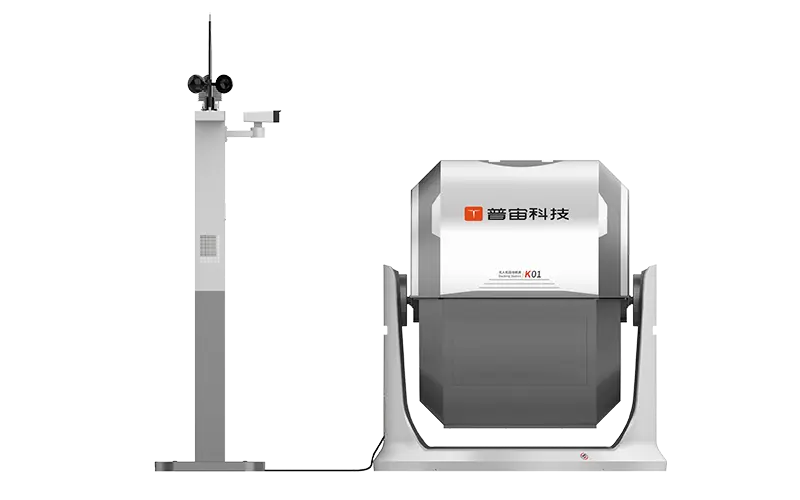 GDU

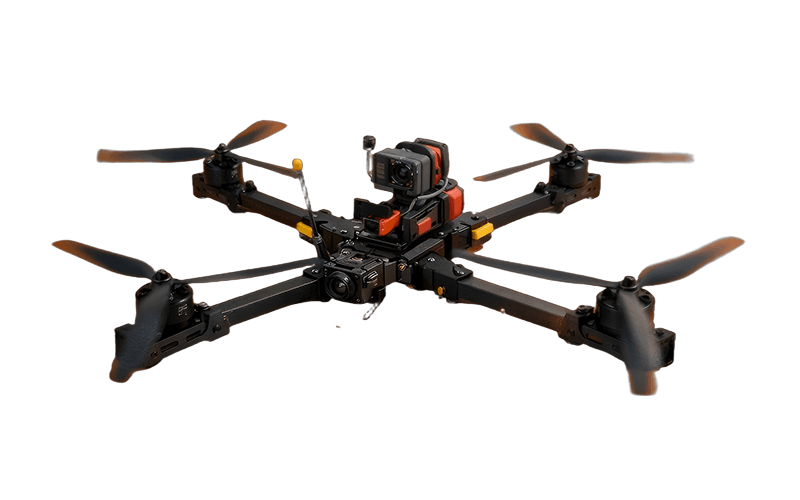 UUUFLY
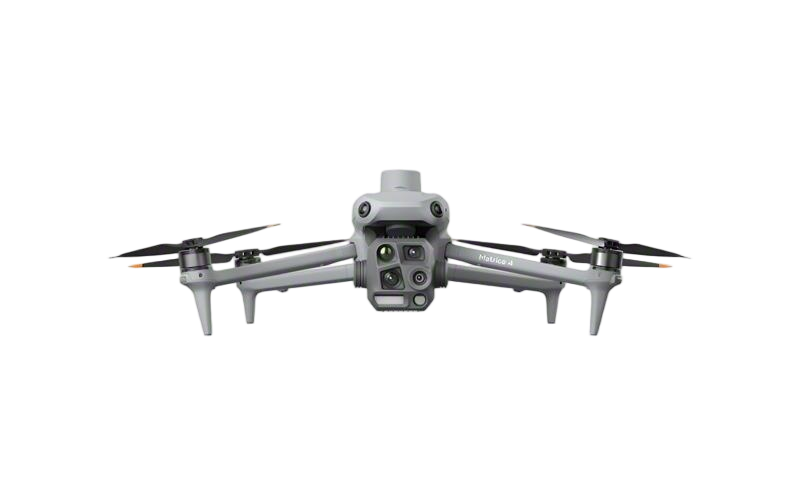 DJI
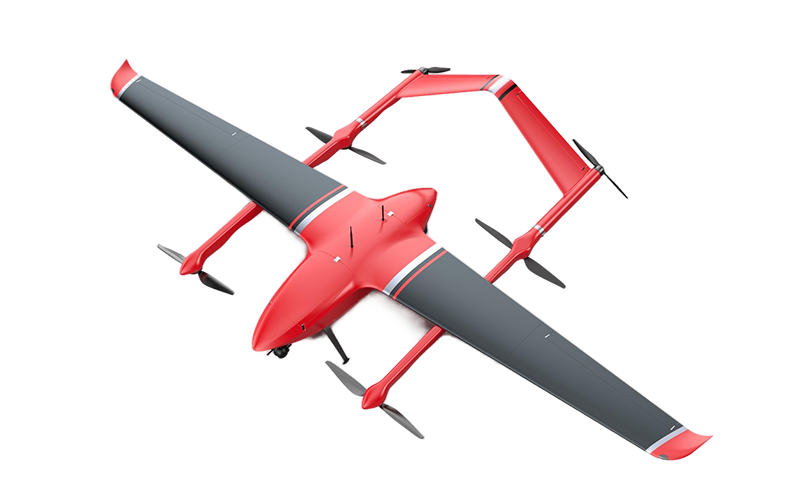 MMC
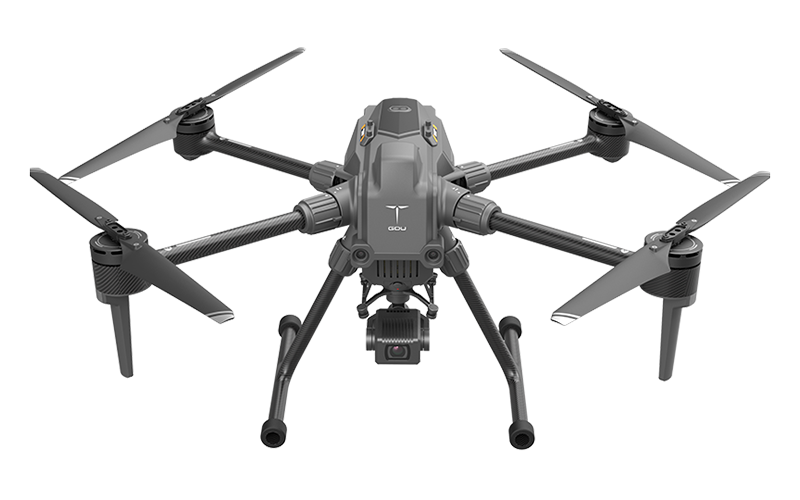 GDU
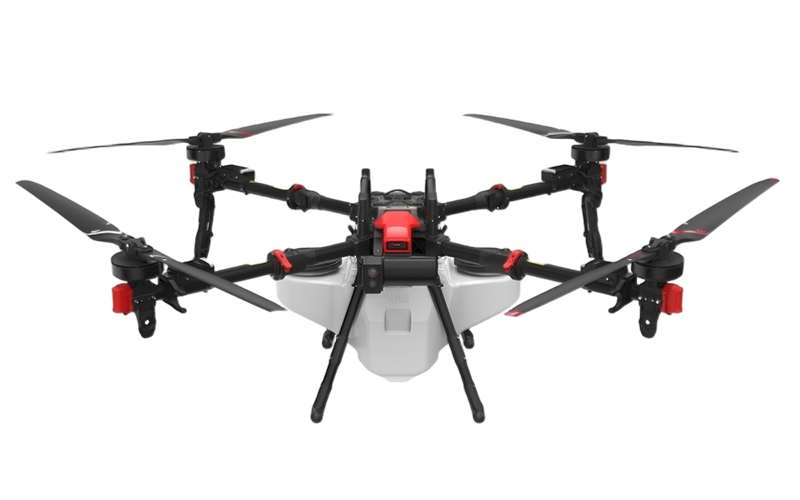 XAG
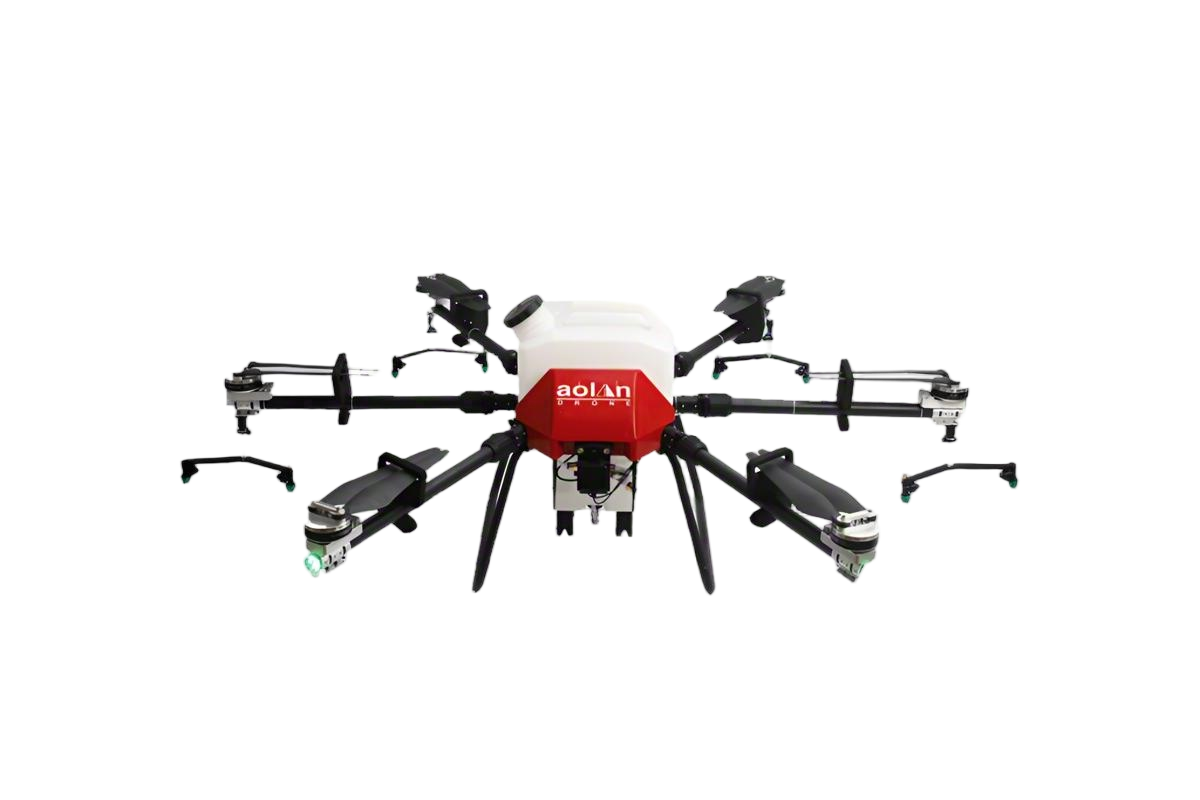 AOLAN
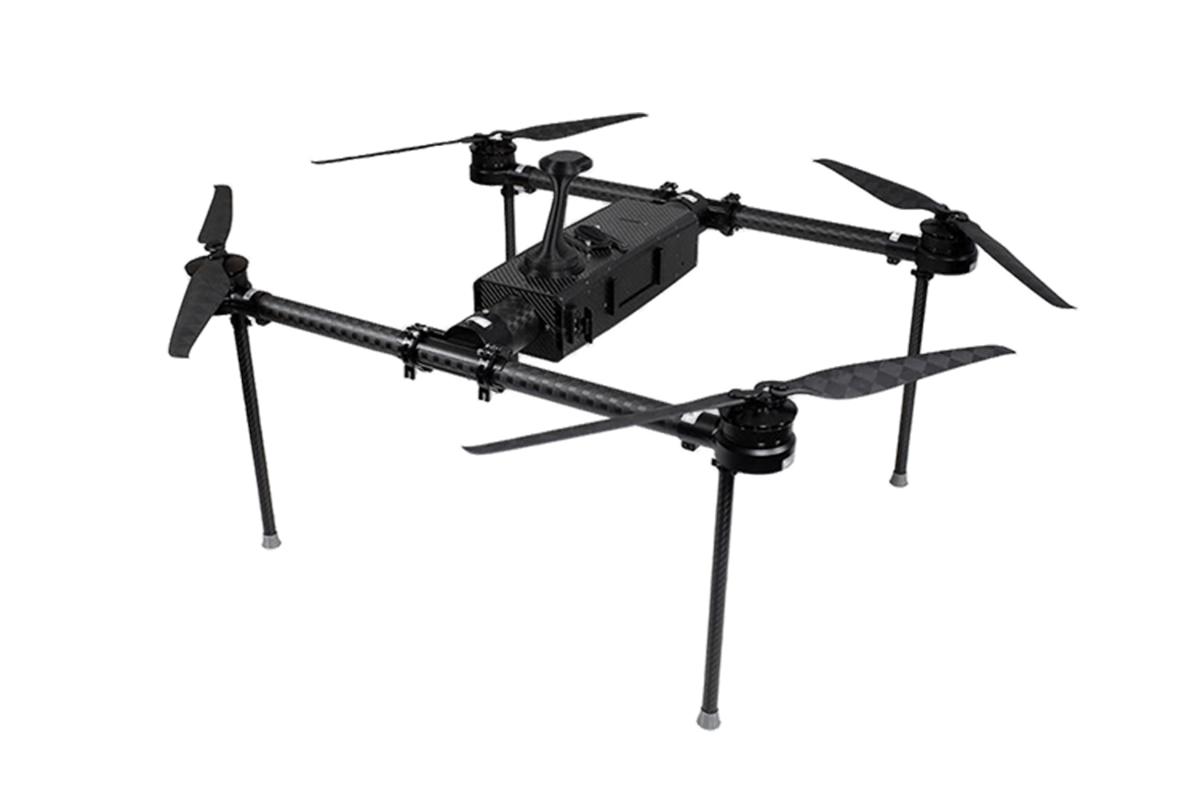 KEEL
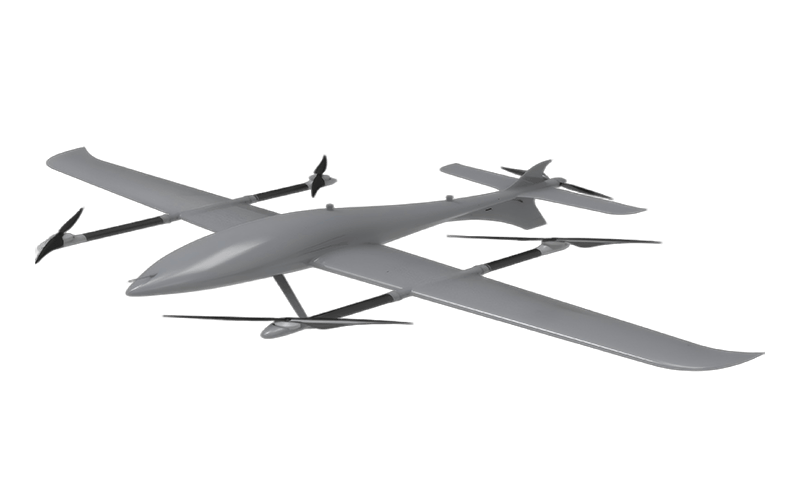 SKY NEXT


