 GDU
GDU
 UUUFLY
 DJI
DJI MMC
MMC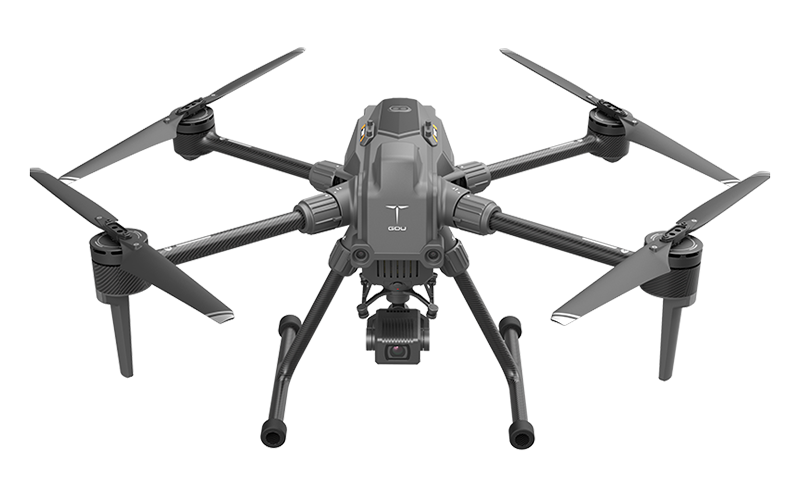 GDU
GDU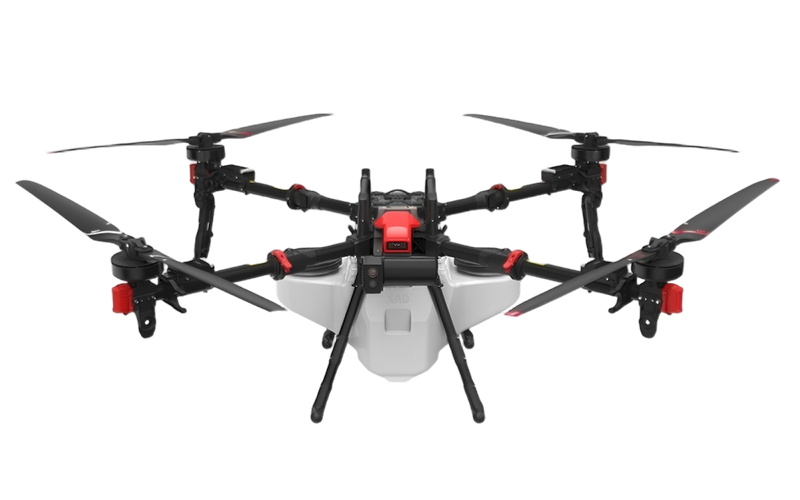 XAG
XAG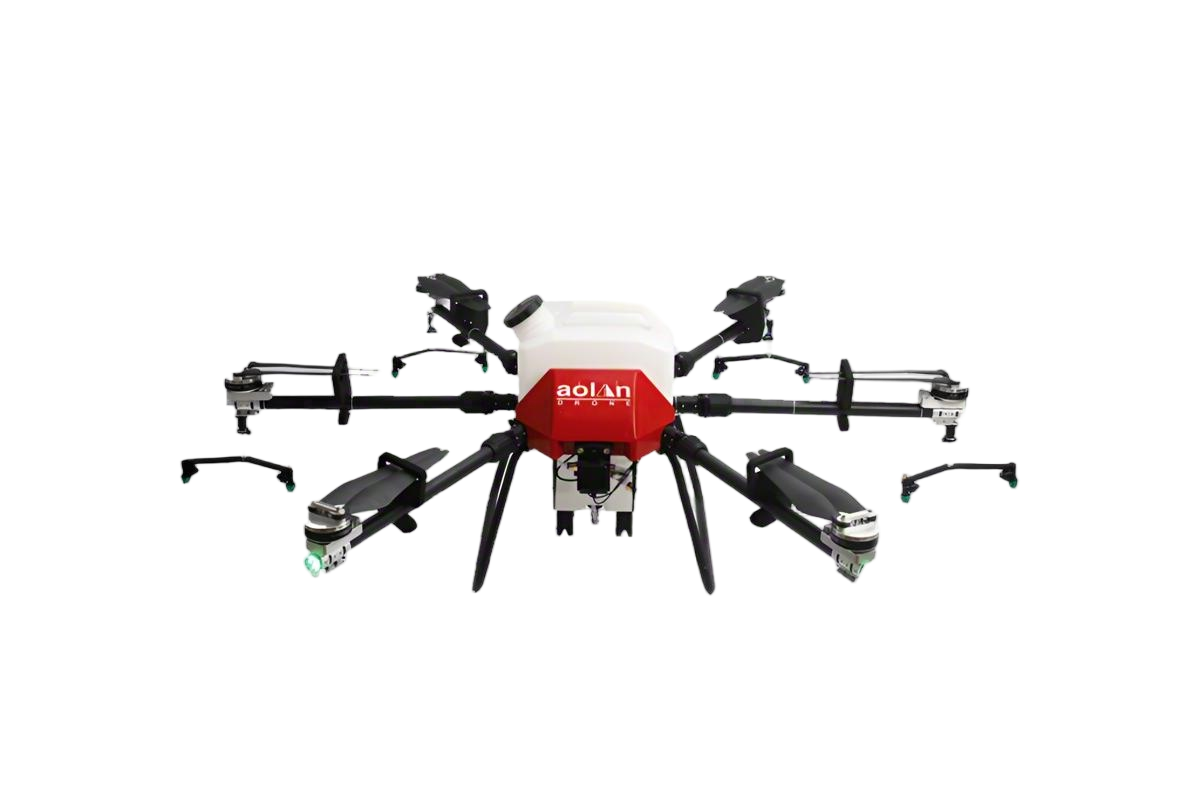 AOLAN
AOLAN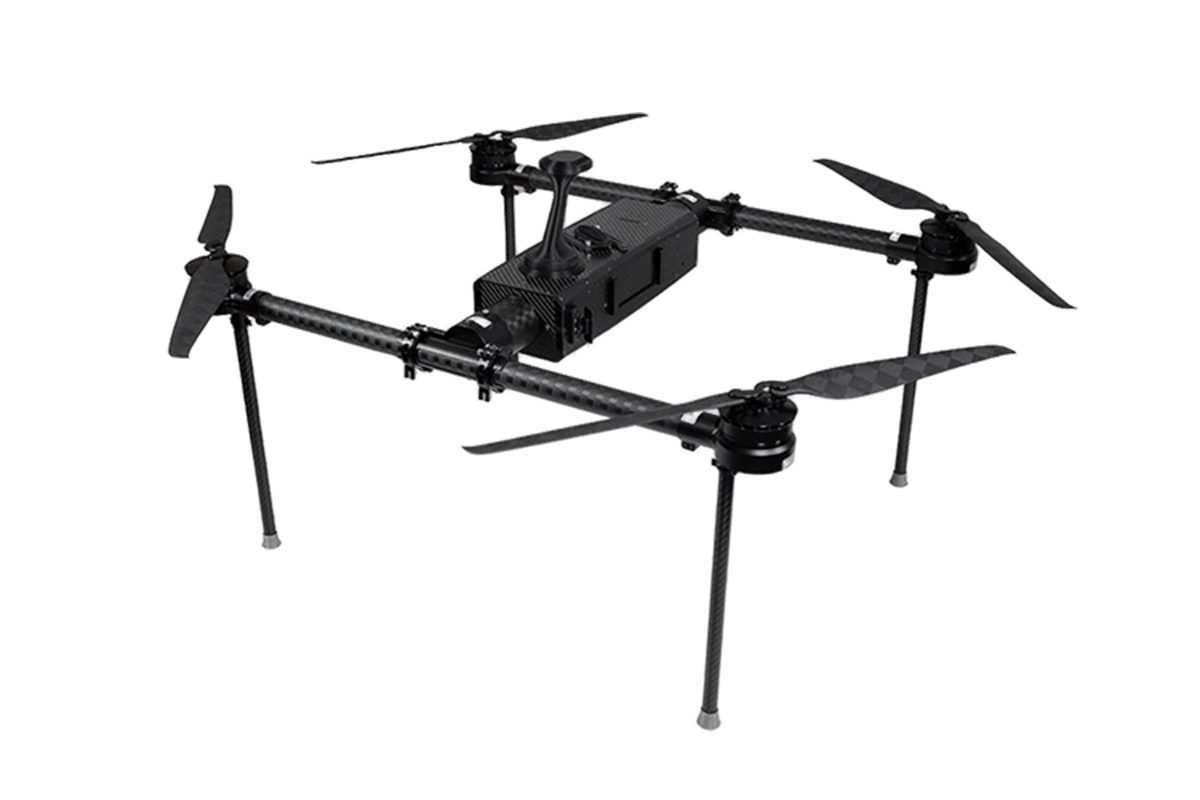 KEEL
KEEL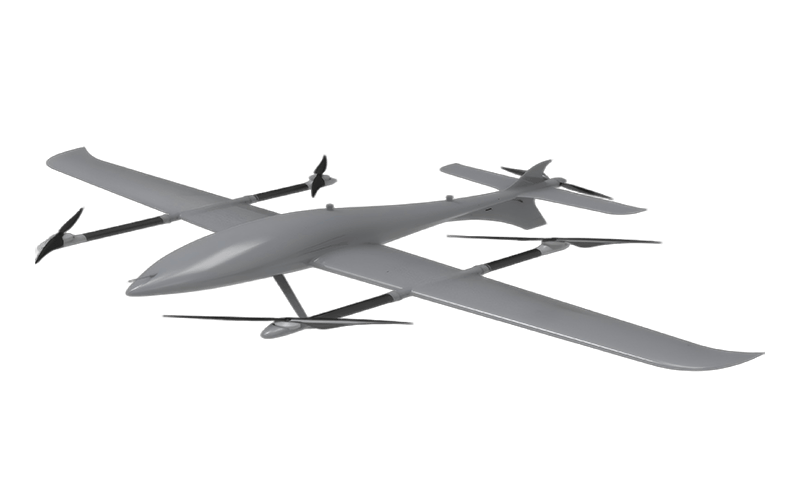 SKY NEXT
In many regions, especially island countries such as Indonesia, healthcare networks are geographically fragmented. Hospitals and diagnostic centers are often separated by mountains, water areas, or poor transportation infrastructure. Traditional ground transportation can result in:
Long transportation times
High labor costs
Unpredictable delays
Limited access to advanced medical testing
A new solution is emerging: autonomous medical drone delivery systems.
By combining industrial drones, automated docking stations, intelligent logistics boxes, and cloud-based flight management platforms, healthcare organizations can build a faster and more reliable medical logistics network.
In China, a healthcare organization implemented a medical drone logistics solution to connect a central hospital with multiple community healthcare centers.
The project was designed to solve daily transportation challenges between:
Central hospital laboratory
- Community healthcare centers
- Medical sample collection points
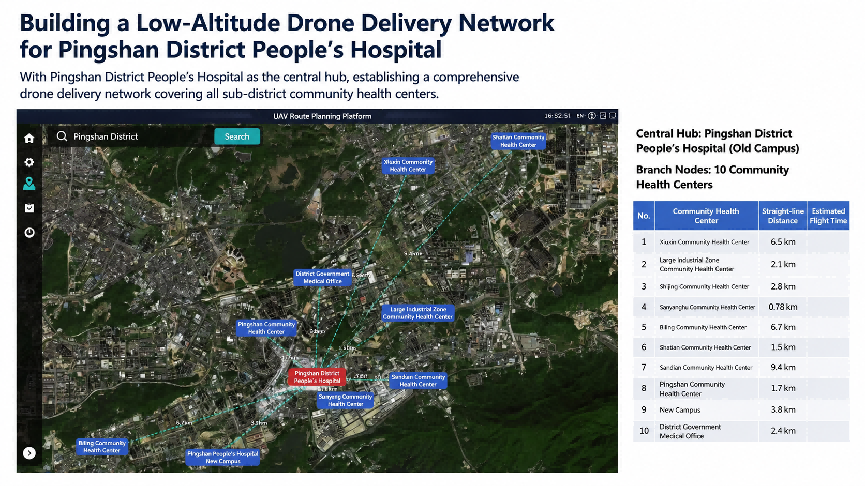
Previously, medical samples were transported mainly by road vehicles. However, with the expansion of healthcare services, several problems appeared:
Many community clinics are located away from the main hospital.
During peak hours, vehicle transportation can be affected by:
- Traffic congestion
- Road conditions
- Limited transportation schedules
This directly impacts laboratory testing efficiency.
Traditional medical sample transportation requires:
- Dedicated drivers
- Vehicles
- Manual handover processes
For clinics with distributed locations and small but frequent sample volumes, transportation costs become difficult to optimize.
For urgent medical testing requirements, clinics sometimes need additional transportation outside regular schedules.
This creates:
- Higher emergency transportation costs
- Longer response times
- Additional workload for medical staff
To solve these challenges, the project introduced an autonomous hospital drone delivery system. The complete solution includes:
The system uses an industrial-grade UAV designed for logistics applications.
The drone provides:
- Long endurance flight capability
- Stable payload transportation
- Autonomous route execution
- Reliable operation in complex environments
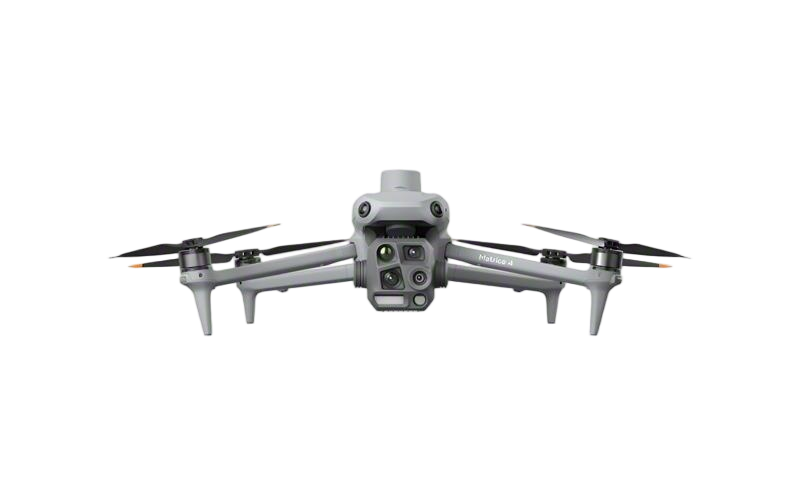
For example, the DJI M400 industrial drone platform used in the project supports:
- Maximum payload up to 6 kg
- Approximately 35 minutes flight time under loaded conditions
- Long-distance transportation capability
- Advanced obstacle avoidance systems
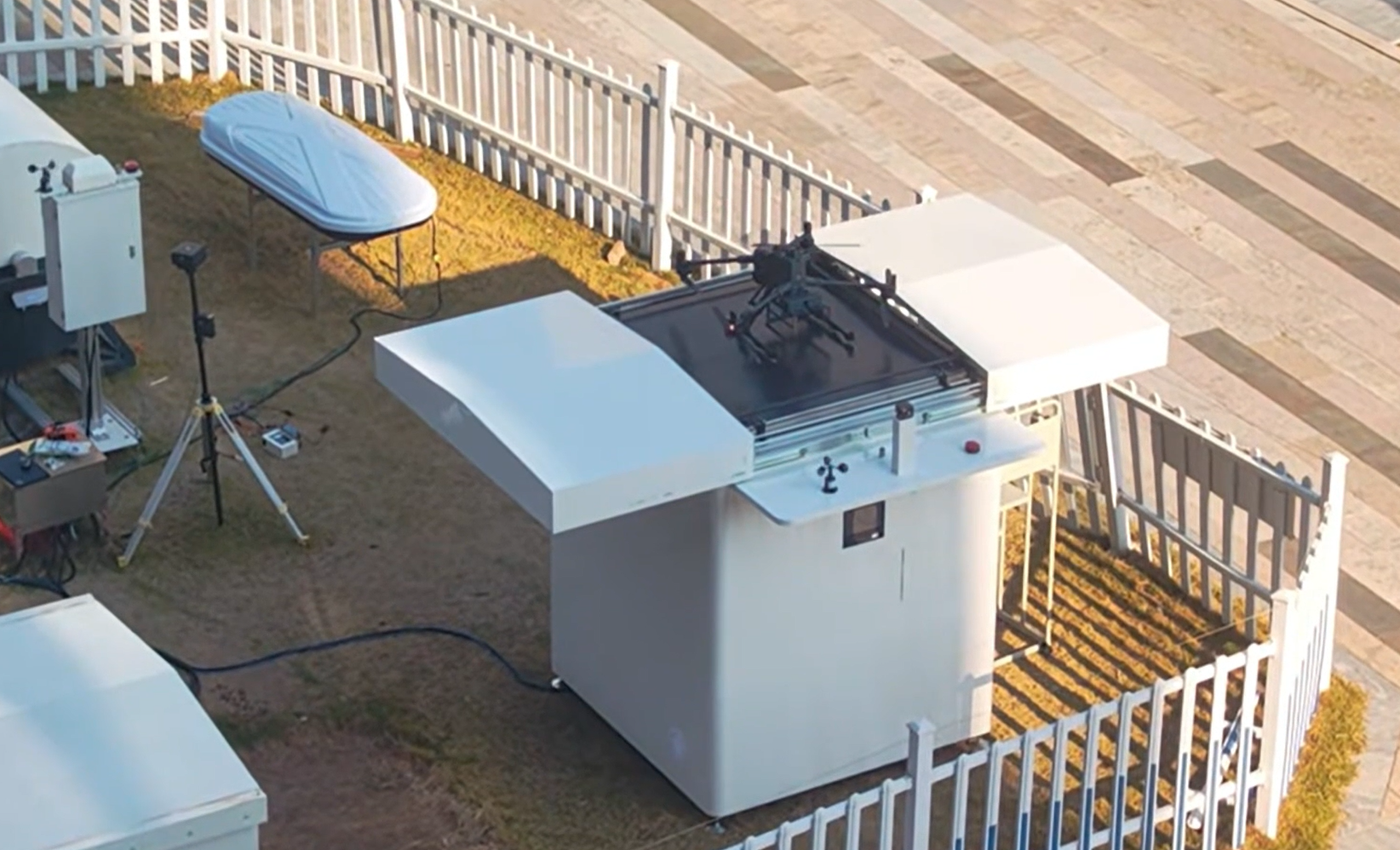
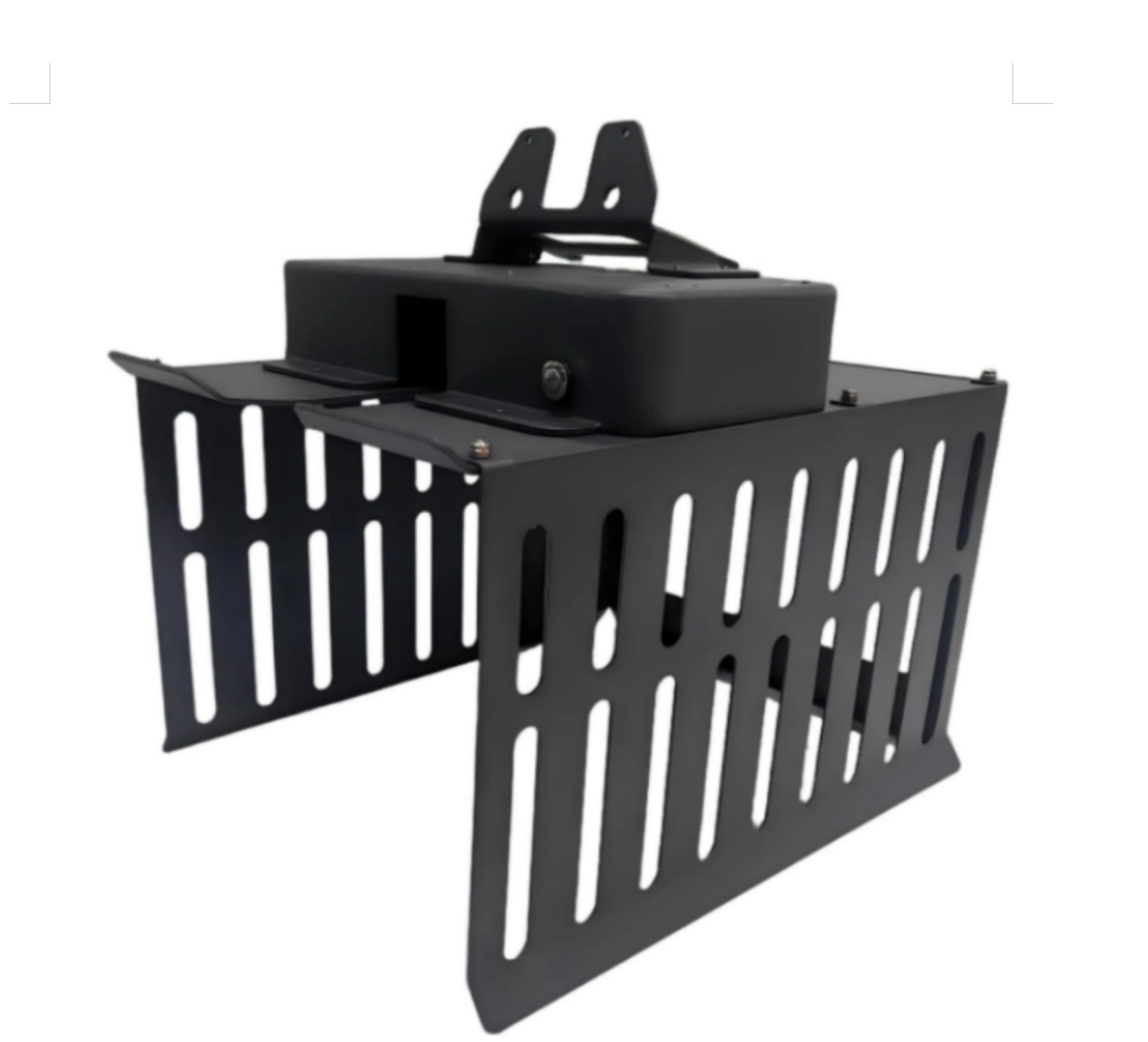
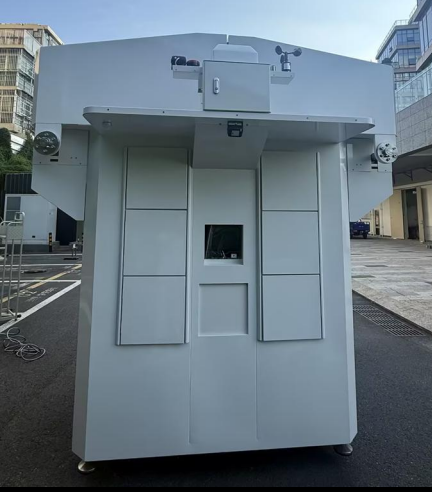
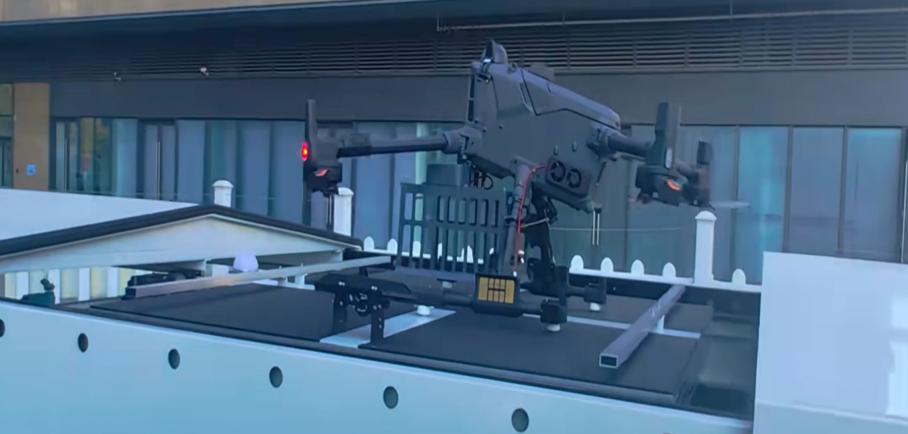
The drone docking station is the core infrastructure of the healthcare drone network.
It enables:
- Automatic takeoff and landing
- Automatic charging
- Remote operation
- Weather protection
- Unmanned 24/7 operation
The docking station works as an intelligent transportation hub connecting hospitals and clinics.
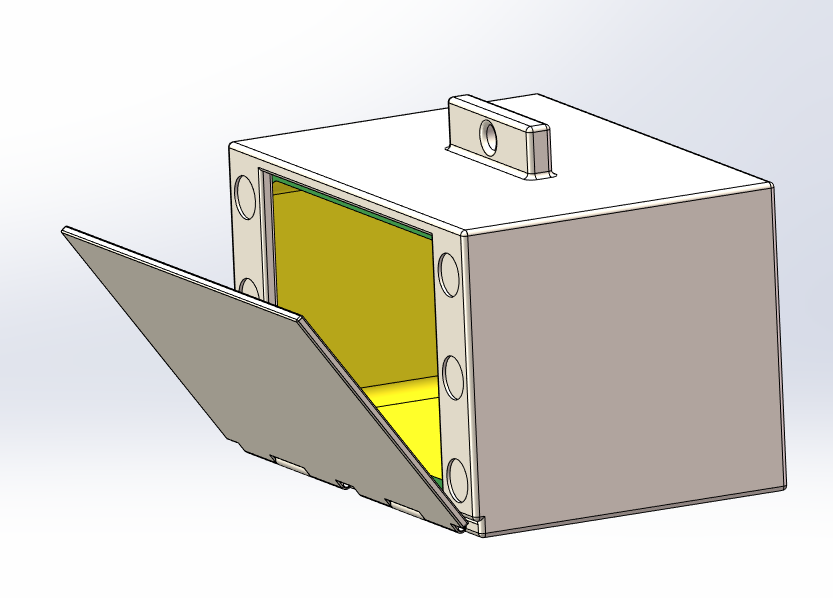
Medical samples require safe and stable transportation.
The customized medical drone payload box provides:
- Secure sample storage
- Shock protection
- Temperature control compatibility
- Lightweight design
The system can be customized according to different medical transportation requirements.
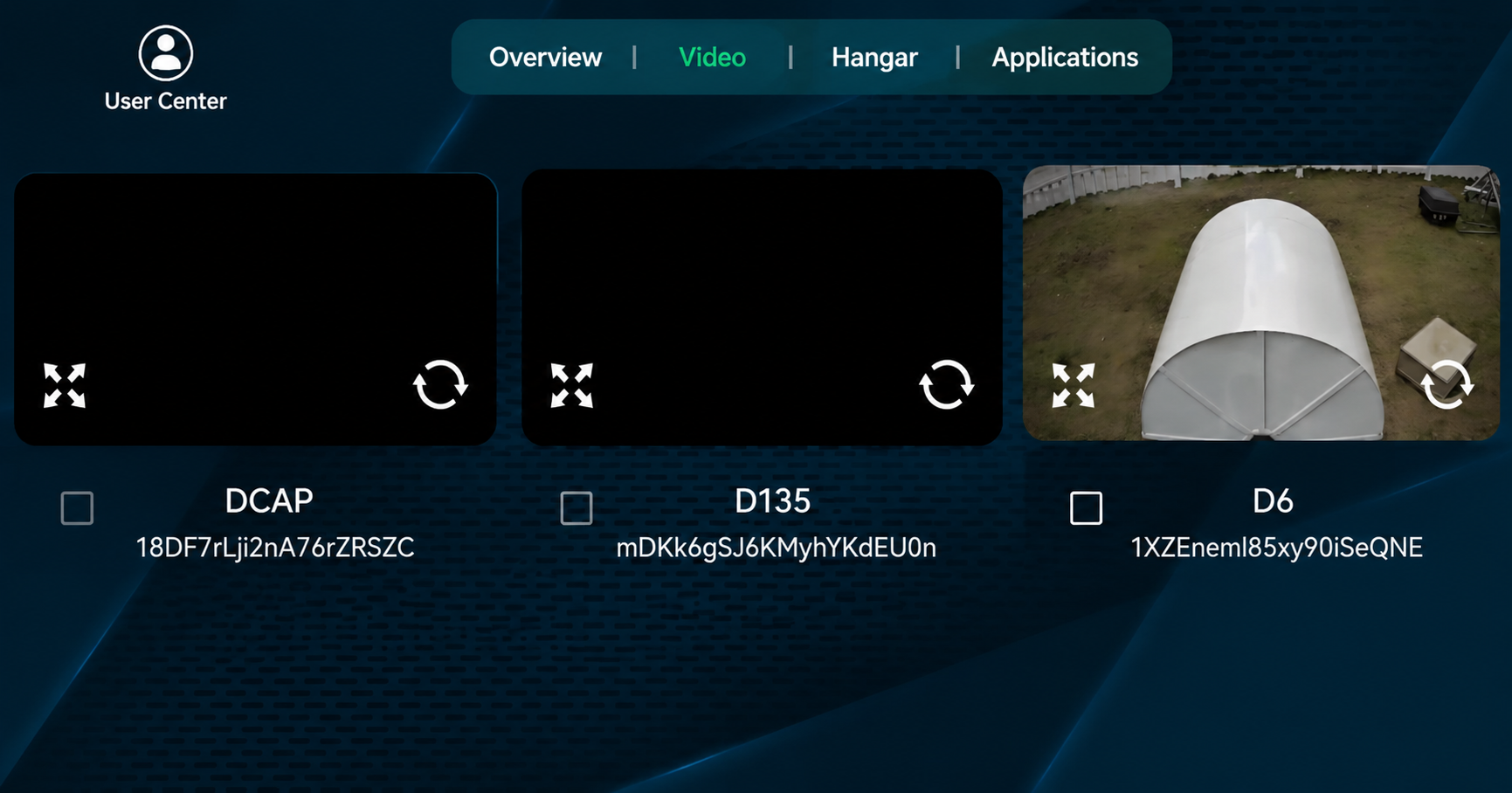
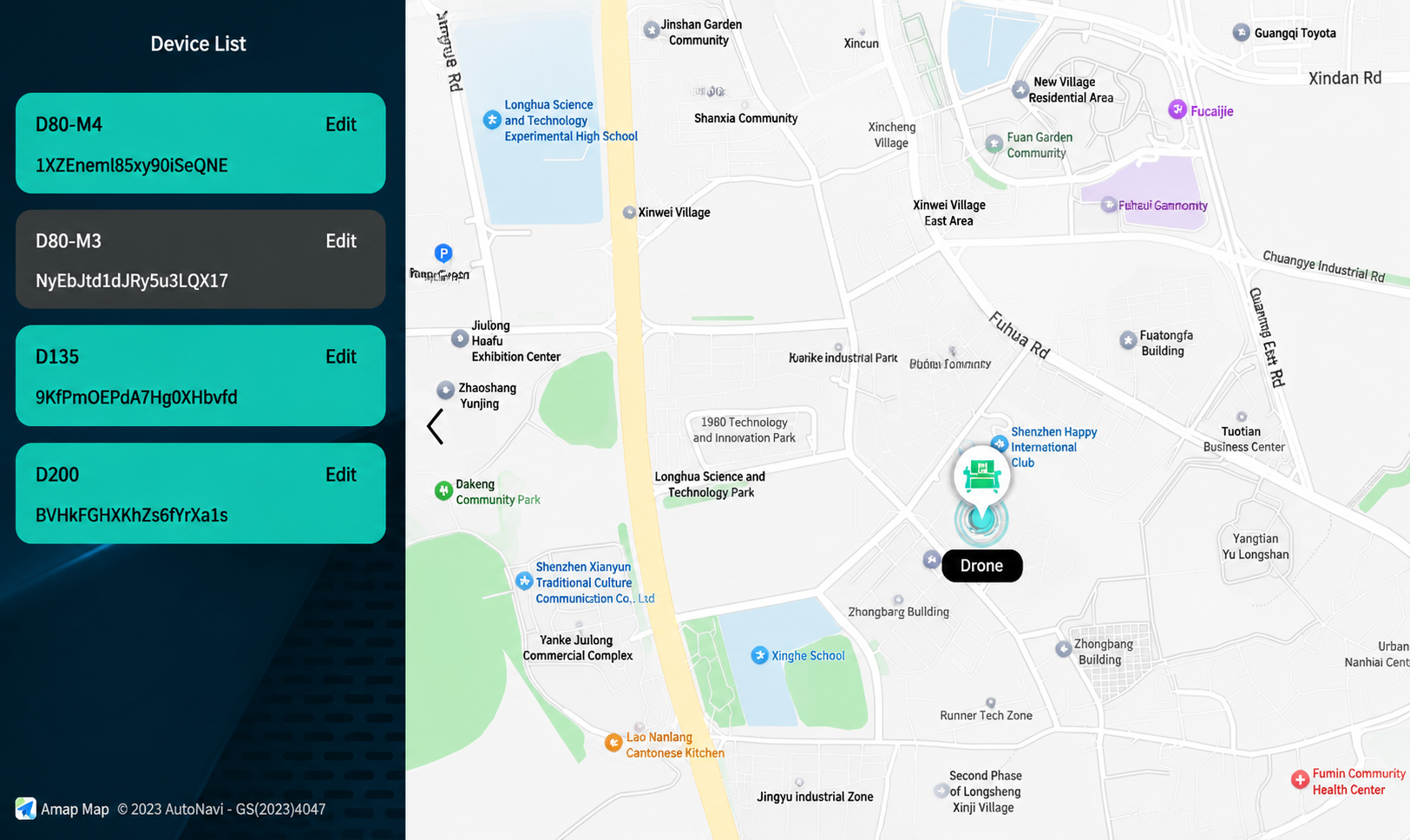
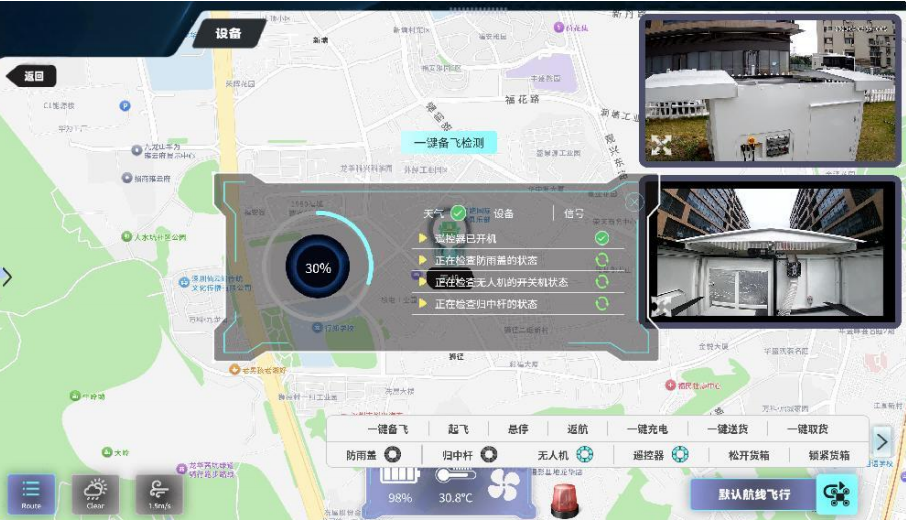
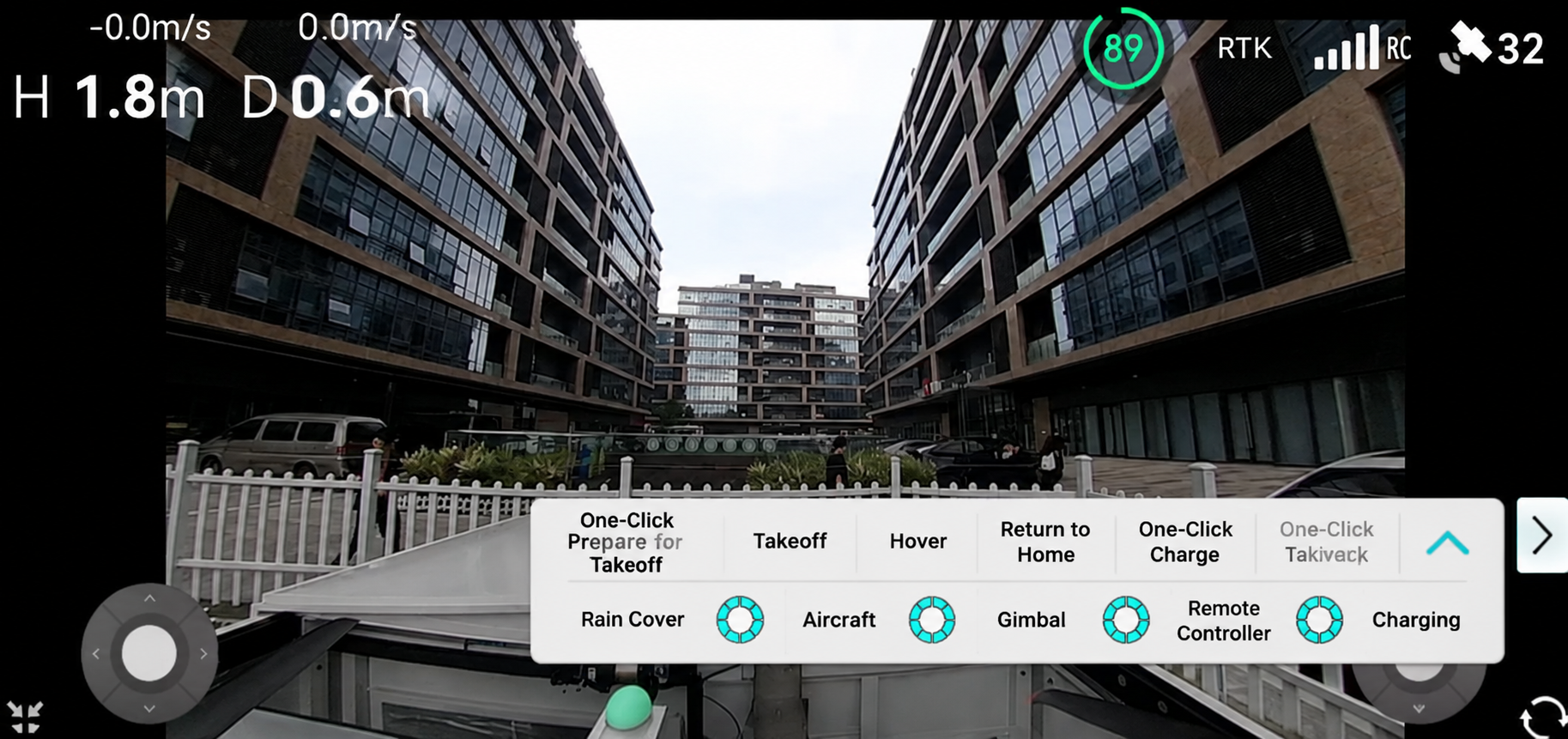
The drone fleet management platform provides:
- Flight scheduling
- Route planning
- Real-time monitoring
- Operation data analysis
- Remote maintenance
Healthcare operators can monitor the entire transportation process from a centralized platform.
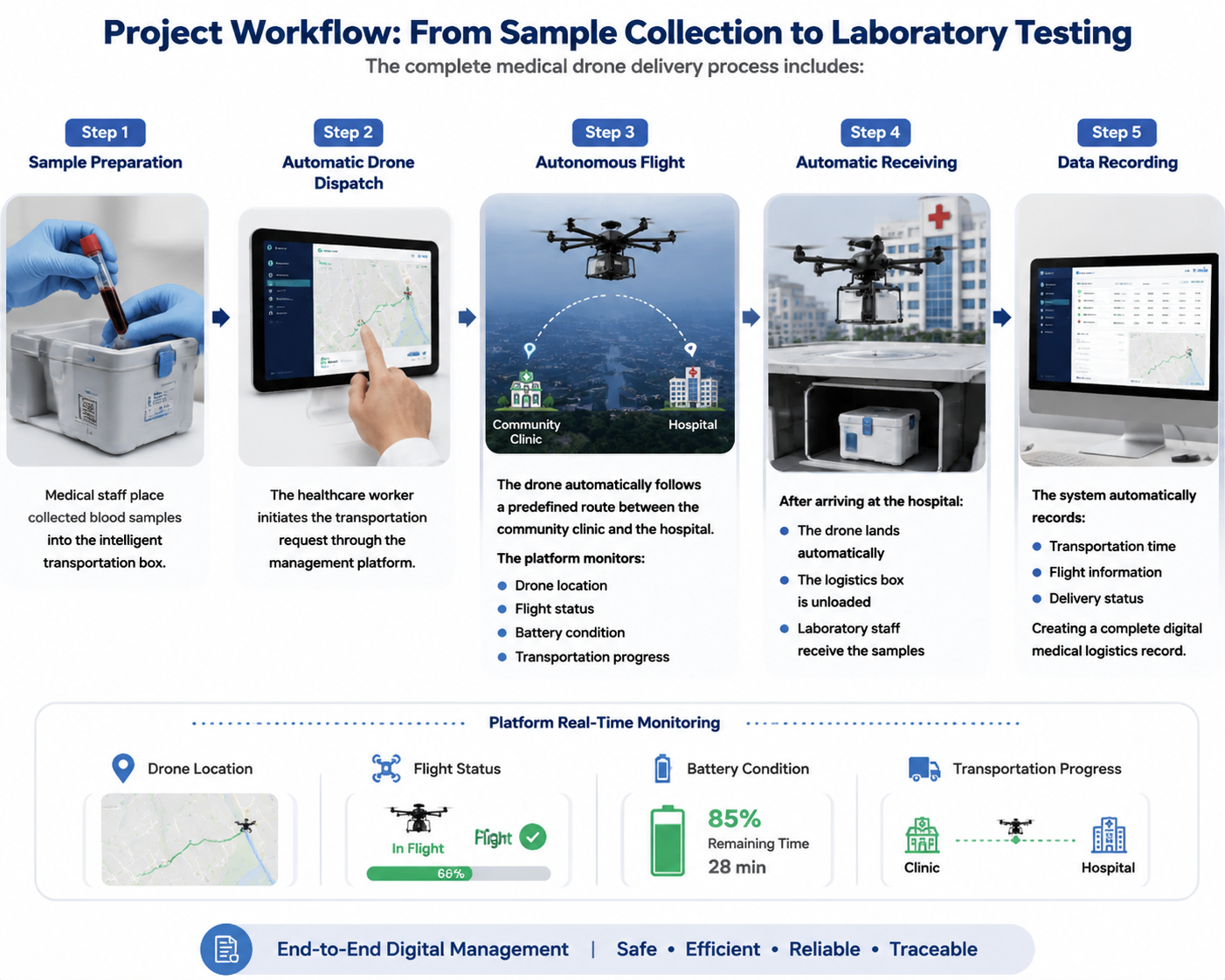
The complete medical drone delivery process includes:
Medical staff place collected blood samples into the intelligent transportation box.
The healthcare worker initiates the transportation request through the management platform.
The drone automatically follows a predefined route between the community clinic and the hospital.
The platform monitors:
- Drone location
- Flight status
- Battery condition
- Transportation progress
After arriving at the hospital:
- The drone lands automatically
- The logistics box is unloaded
- Laboratory staff receive the samples
The system automatically records:
- Transportation time
- Flight information
- Delivery status
Creating a complete digital medical logistics record.
Indonesia has more than 17,000 islands, creating unique healthcare logistics challenges.
Many healthcare facilities face:
- Difficult transportation between islands
- Limited laboratory resources
- Long sample transportation distances
- High logistics costs
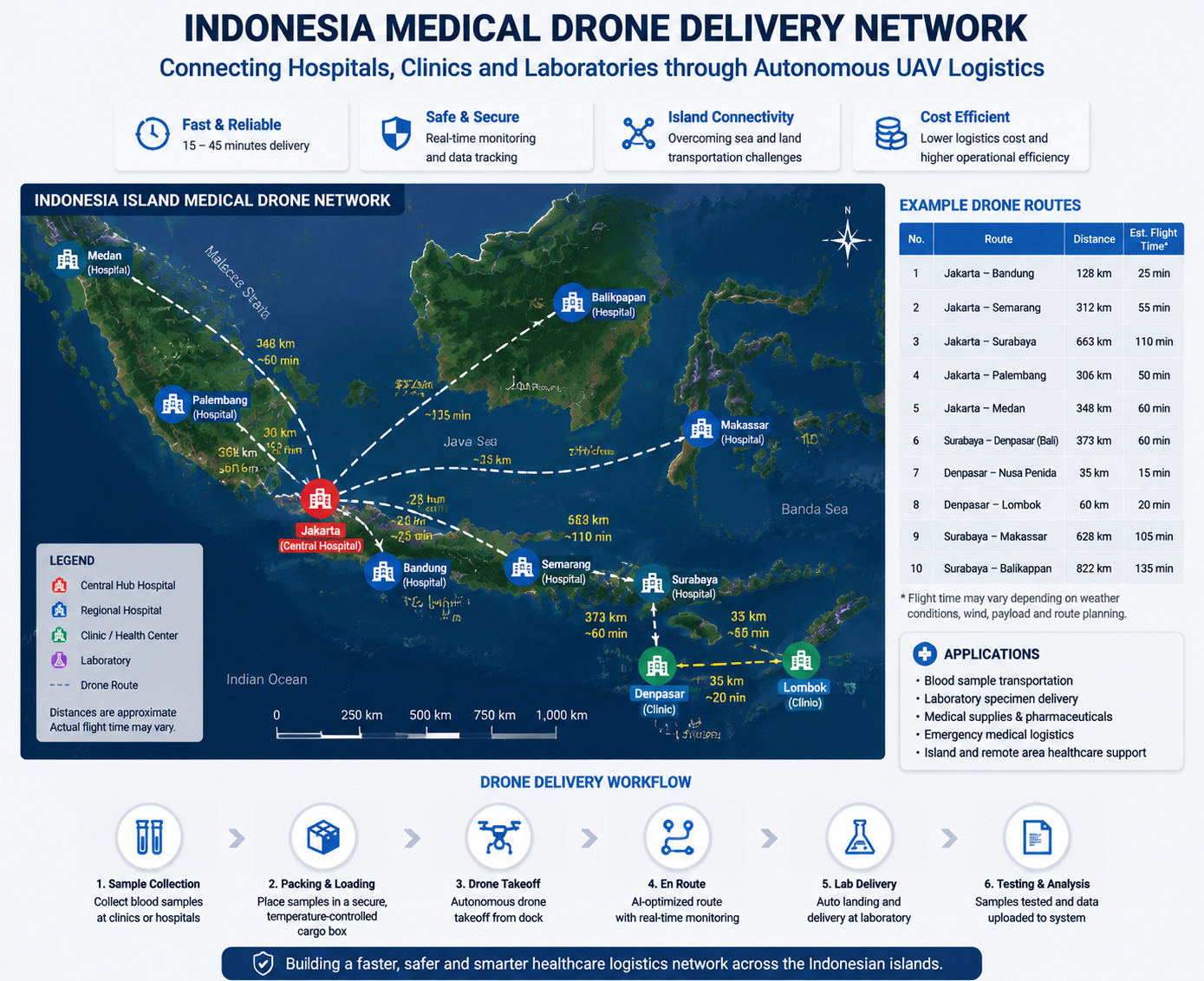
A medical drone delivery system for islands can provide several advantages:
Drones can fly directly between healthcare facilities without being limited by:
- Road conditions
- Traffic
- Geographic barriers
A drone logistics network can connect:
Remote clinics →
Regional hospitals →
Central laboratories
This improves healthcare accessibility for communities located in remote areas.
Compared with frequent dedicated vehicle transportation, autonomous UAV logistics can reduce:
- Labor requirements
- Vehicle dependency
- Transportation frequency pressure
Medical drone delivery is not only a transportation solution.
It is an important part of:
- Smart hospitals
- Digital healthcare networks
- Low-altitude economy infrastructure
Viscolift provides complete low-altitude medical logistics infrastructure solutions, enabling healthcare organizations to build efficient, reliable, and autonomous transportation networks.
Our integrated solutions include:
- Autonomous Drone Docking Stations
- UAV Logistics Management Systems
- Medical Transportation Solutions
- Intelligent Payload Systems
- Drone Operation and Cloud Management Platforms
Viscolift drone systems are designed for fully automated medical transportation operations.
The drone docking station can automatically:
- Perform automatic drone charging
- Monitor drone battery status in real time
- Dispatch drones automatically after reaching full battery capacity
- Execute pre-planned flight missions without manual intervention
- Support scheduled and on-demand transportation tasks
Healthcare operators can plan flight routes in advance and manage multiple transportation missions through the cloud-based drone operation platform.
For sensitive medical materials such as blood samples and laboratory specimens, Viscolift provides intelligent payload solutions with temperature management capabilities.
The drone storage and loading area can be equipped with:
- Air-conditioning systems
- Temperature monitoring devices
- Environmental control solutions
This ensures medical samples remain within the required temperature range throughout the transportation process, supporting reliable cold-chain medical logistics.
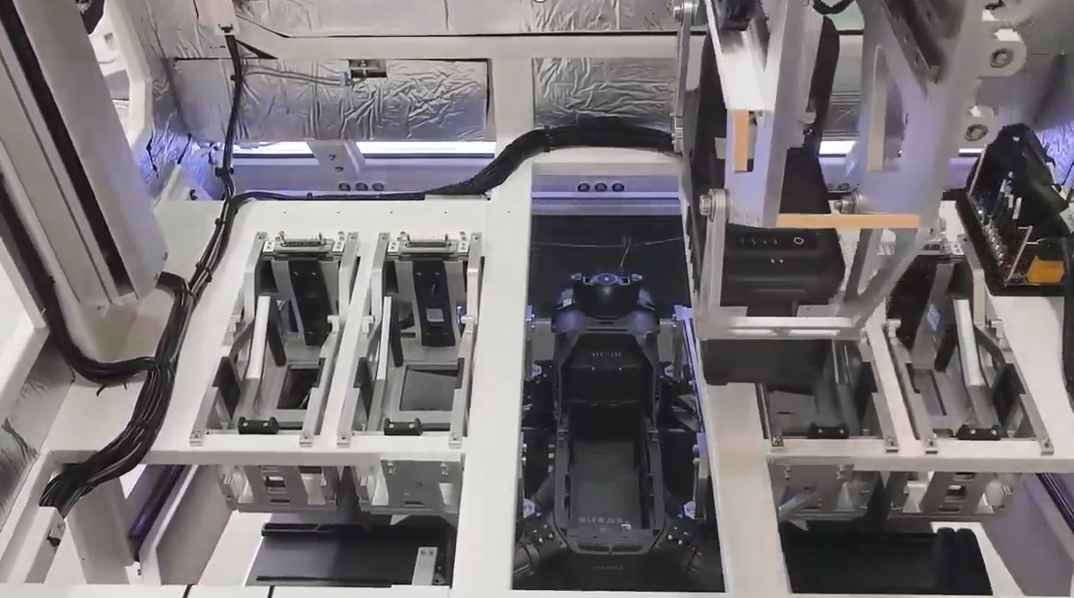
For applications requiring frequent or continuous drone missions, Viscolift provides automatic battery replacement drone docking solutions.
The battery replacement system enables:
- Automatic battery swapping
- Rapid mission turnaround
- Continuous drone operation with minimal human involvement
The battery replacement process takes approximately 3 minutes, allowing drones to quickly return to service.
For charging-based operations:
- Fast charging can be completed in as little as 45 minutes
This enables healthcare organizations to establish efficient 24/7 medical drone logistics networks.
Our solutions help healthcare organizations build reliable autonomous transportation networks for:
- Blood samples
- Laboratory specimens
- Medicines
- Vaccines
- Emergency medical supplies
From urban hospitals to remote island clinics, Viscolift enables faster, safer, and smarter healthcare logistics through autonomous drone technology.
By combining:
- Intelligent drone docking stations
- Automated charging and battery replacement
- Cloud-based flight management
- Temperature-controlled payload solutions
Viscolift helps healthcare providers overcome geographic barriers and create next-generation medical transportation networks.
Medical drone delivery is becoming an important technology for solving healthcare transportation challenges.
The successful hospital-to-community healthcare drone transportation project in China demonstrates that autonomous UAV logistics can improve:
- Transportation efficiency
- Medical service accessibility
- Emergency response capability
For island countries such as Indonesia, medical drone delivery provides a practical pathway to connect healthcare facilities and improve medical access for remote communities.
Post time: Aug-03-2026